

Blog
Twenty-four posts, no press releases and no product notes. The regulation posts cite the article number so you can verify them without taking our word for it; the calculation posts show the full arithmetic so you can reproduce it with your own numbers.
Section 1 · Regulation
Four posts built on the text of the Electricity Sector Law (Ley del Sector Eléctrico) and its Regulations. Every figure carries the number of the article it comes from.
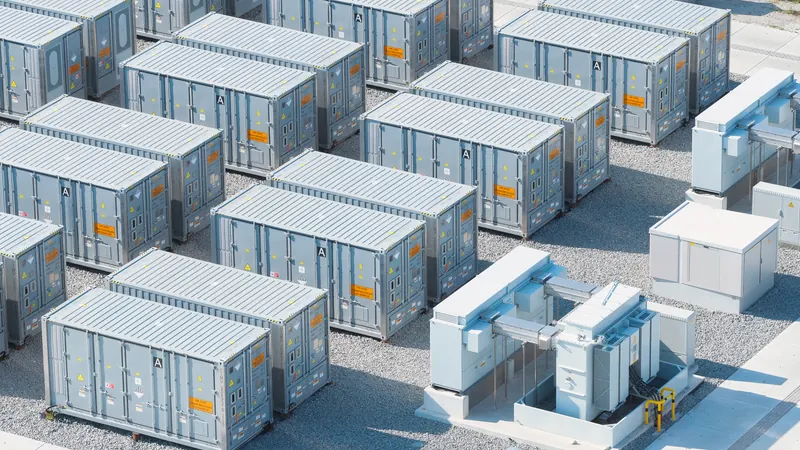 ARTICLE 32 · 7 MIN
Section III of article 32: an intermittent generator that exports energy must have its own storage-based backup, or pay the state-owned utility for it. It changes the economics of any project that plans to export surplus energy, and almost no one is citing it.
READ →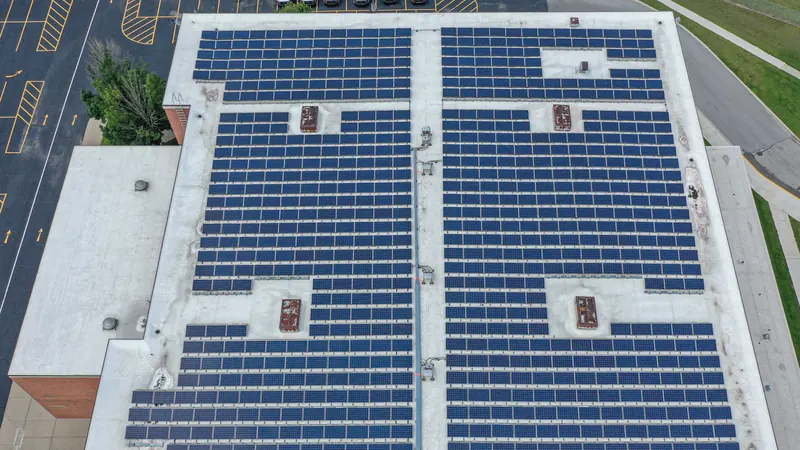 THRESHOLDS · 6 MIN
The current limits with their article, and why "filing with the CRE" no longer exists.
READ →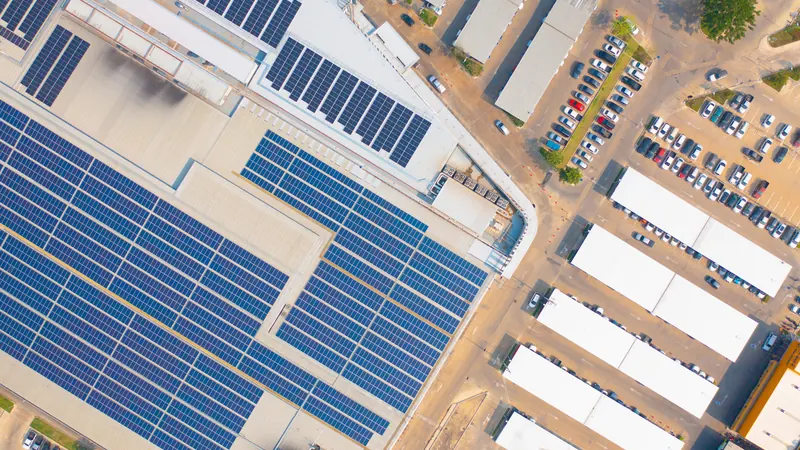 SCHEMES · 7 MIN
Distributed generation, isolated and interconnected self-supply, and the market. Two numbers separate them.
READ →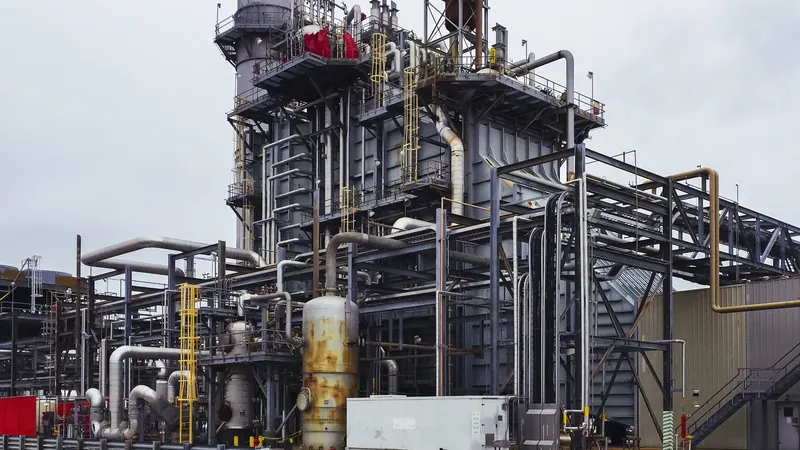 ARTICLE 42 · 6 MIN
The permit covers only the power obtainable from the process heat that would otherwise go unused.
READ →Section 2 · Your bill and your money
How to read what you already pay, how a project gets paid for, and why the metric most used to evaluate it is the least useful.
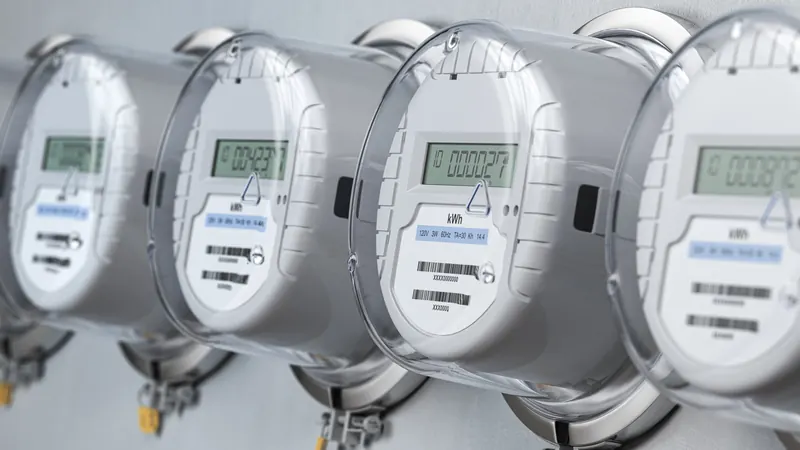 YOUR BILL · 5 MIN
The calculation that decides whether storage makes sense, and the two cheaper things that come first.
READ → MODELS · 8 MIN
CAPEX, leasing, PPA and energy as a service. Who owns it and who carries the risk.
READ → EVALUATION · 8 MIN
The same project with three metrics gives three conclusions. Which one is your committee asking about.
READ → DIAGNOSTIC · 7 MIN
The four requirements that separate a bankable study from an estimate on letterhead.
READ →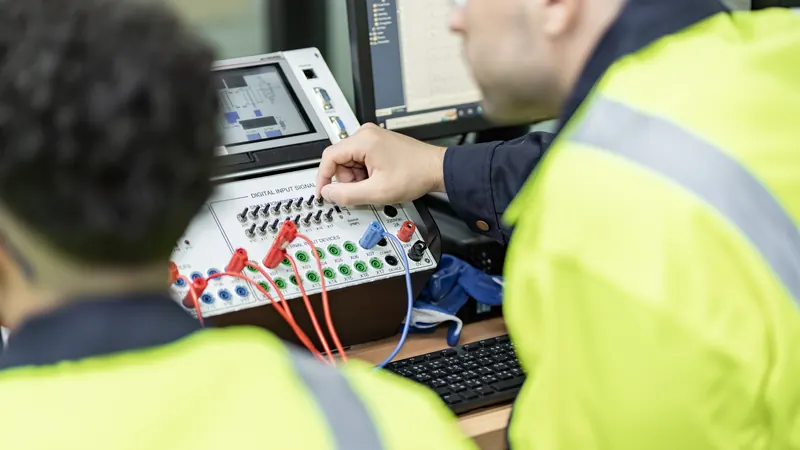 GRID CODE · 6 MIN
The bill gives an average for the period; the standard is assessed by percentile over short intervals.
READ →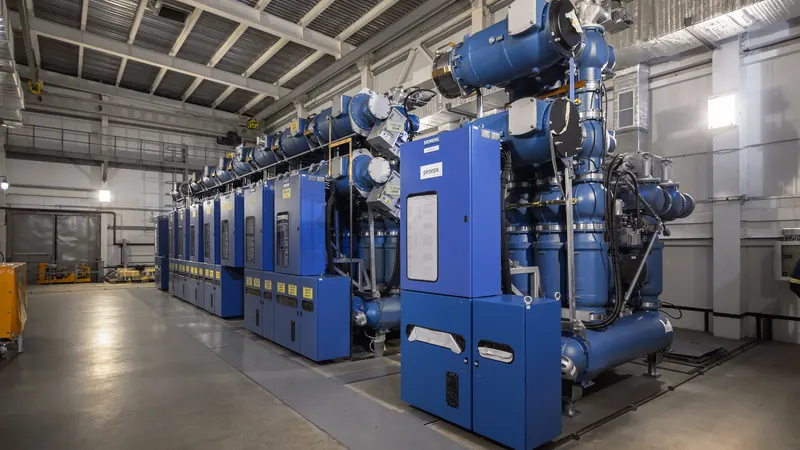 SAVINGS · 9 MIN
The list is well known; the order is what no one says. With the physics of each.
READ →Section 3 · Technology
The technical decisions that determine whether a project delivers what was promised, explained by the mechanism, not the percentage.
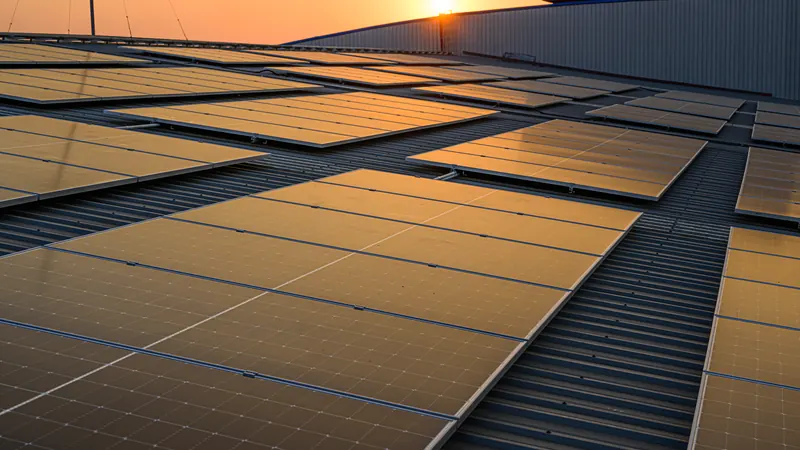 SOLAR · 6 MIN
Sizing against annual consumption produces a system that never touches the peak.
READ →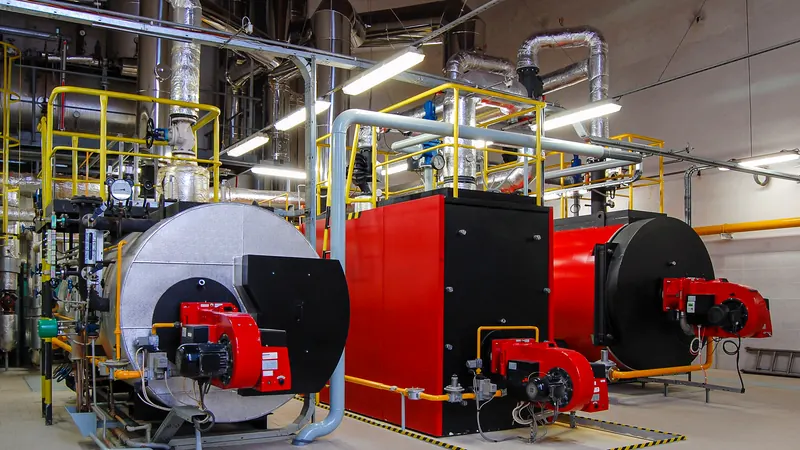 COGENERATION · 7 MIN
Actual boiler hours and the gas-to-electricity price spread: two figures you already have.
READ →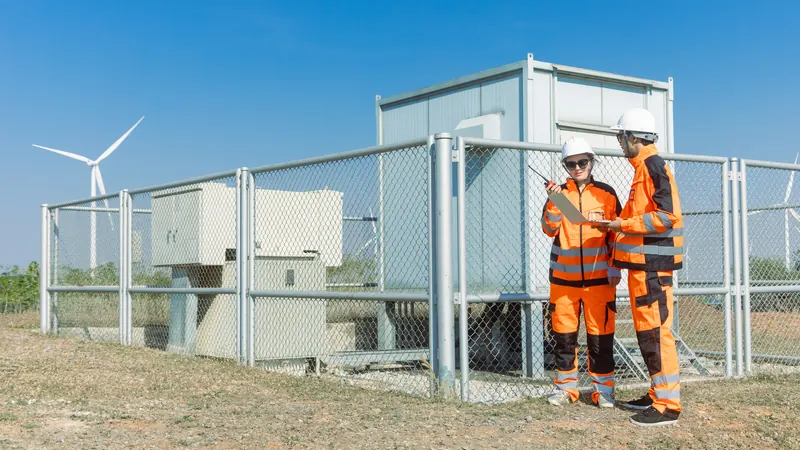 ARCHITECTURE · 7 MIN
Three different things sold as one. Only the third is expensive.
READ → CRITICAL LOADS · 7 MIN
The bottleneck is the grid. What can be solved inside your fence line.
READ → AGRIBUSINESS · 5 MIN
The only case with three useful outputs from the same fuel.
READ →Section 4 · Utility scale
Projects that stop being distributed generation and fall under the permit regime. What changes in the filing, the studies and the project structure as the scale goes up.
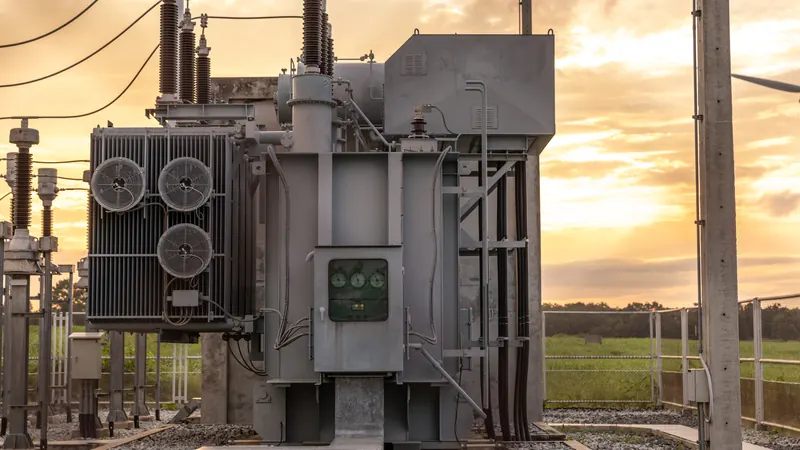 0.7 TO 20 MW · 8 MIN
Article 30 opens the door to a simplified procedure for interconnected self-supply between 0.7 and 20 MW, subject to CNE guidelines. It is the range where most projects stall because they do not know which scheme applies to them, and the one where the schedule changes most when it is set up right from the start.
READ →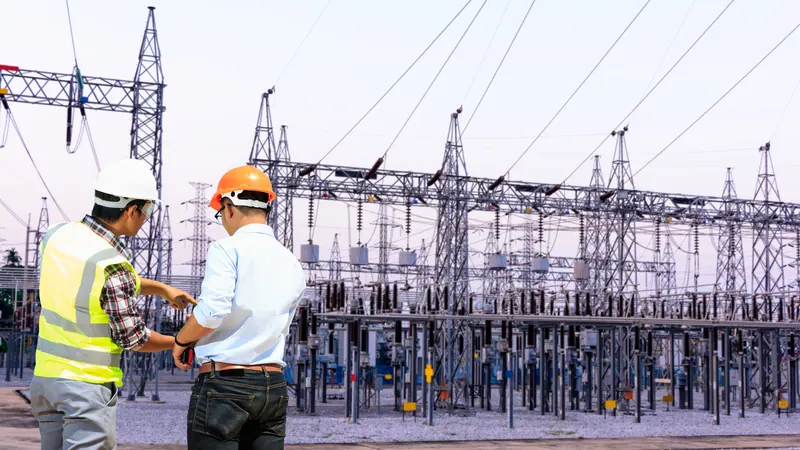 INTERCONNECTION · 8 MIN
What really decides whether the project exists, with what capacity and at what point on the grid.
READ →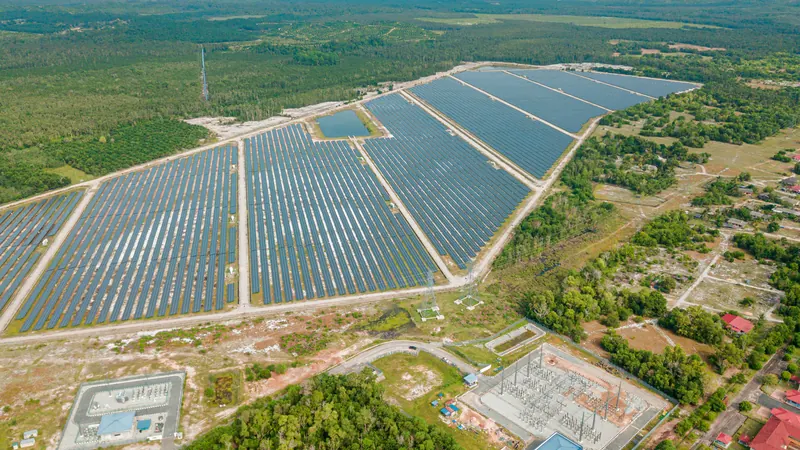 10 MW AND UP · 8 MIN
Regime, capital, timeline and counterparty. And who develops it within the group.
READ →Section 5 · E-mobility
A charger is a new load. These posts explain what it does to your service entrance, your bill and your substation, and what the Regulations of the Electricity Sector Law, the e-mobility agreement and NOM-001-SEDE say.
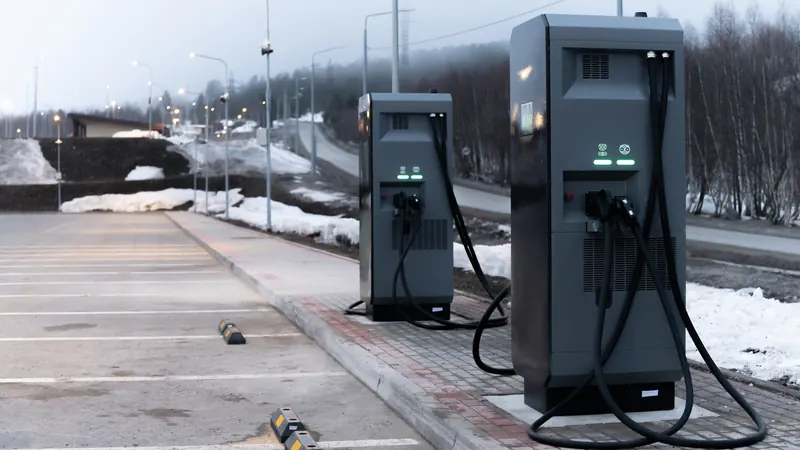 SERVICE ENTRANCE · 5 MIN
Ten 22 kW chargers are 220 kW if they run at the same time. How to know whether your service entrance and contracted demand can take them before you buy.
READ →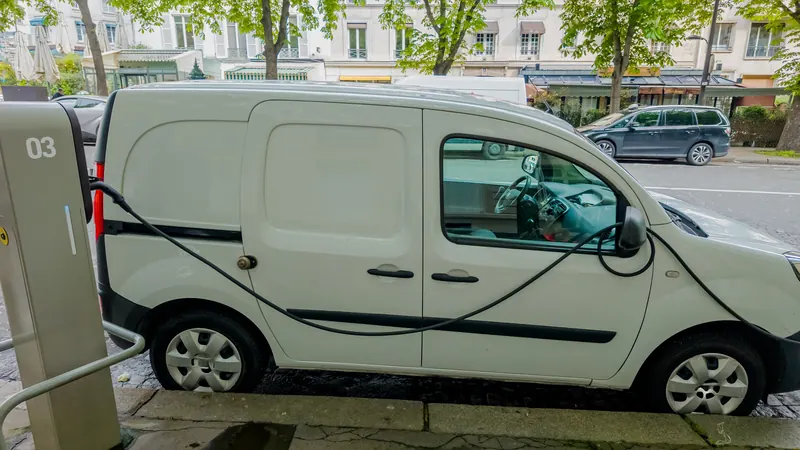 FLEETS · 5 MIN
The same energy costs differently depending on when the fleet plugs in. How staggered charging avoids the peak on the GDMTH tariff.
READ →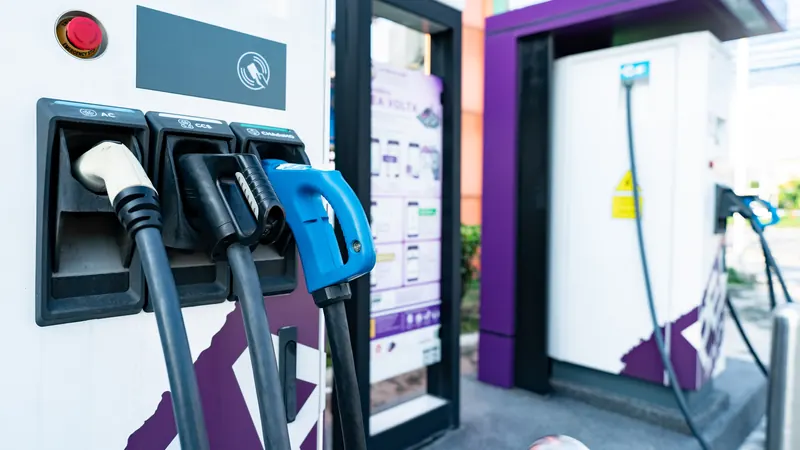 TRUCKS · 5 MIN
Four 150 kW chargers are 600 kW if they run at the same time. Why, with electric trucks, the substation sets the timeline and the cost.
READ →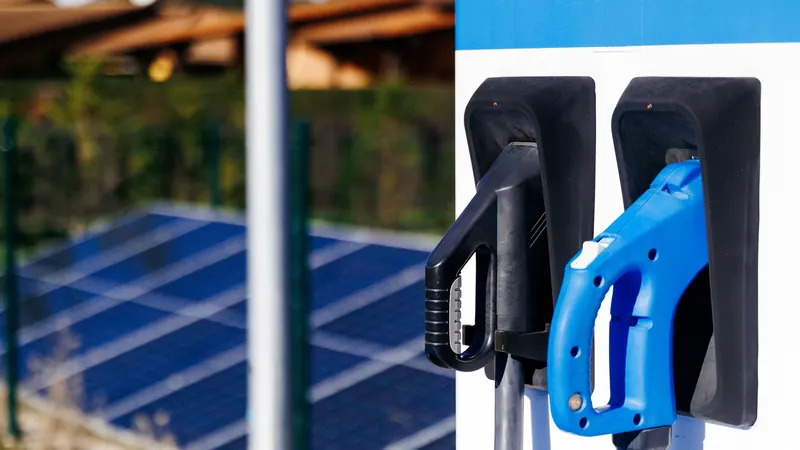 BUSINESS · 5 MIN
A charging station sells kWh and pays for kW. Notice instead of permit, point of connection and utilization: the order of the questions before the site.
READ →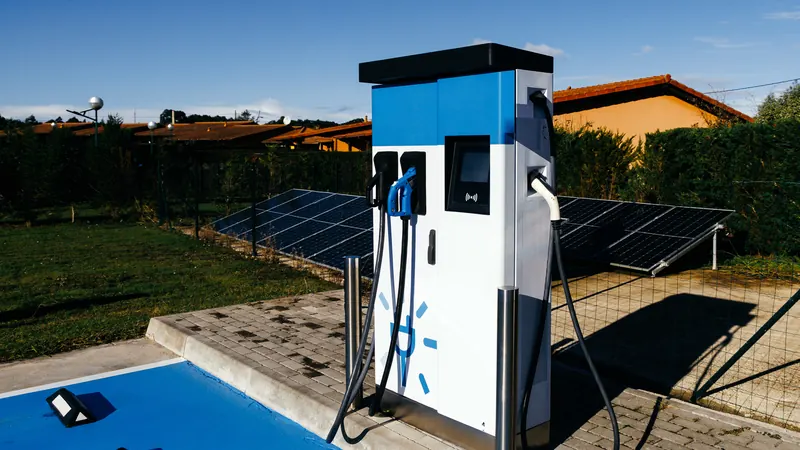 SOLAR + BATTERIES · 4 MIN
The sun produces at noon and fleets charge at night. When solar and batteries make a charging station pay for its own energy.
READ →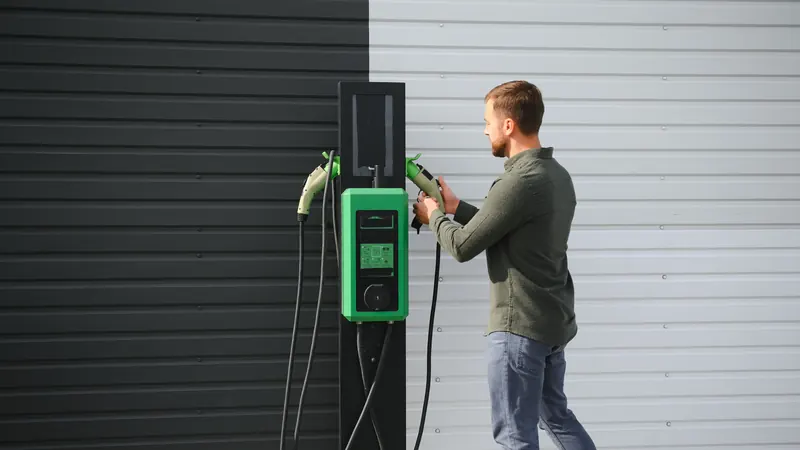 STANDARD · 5 MIN
There is no charger-specific NOM. What applies today: NOM-001-SEDE-2012 art. 625, Agreement A/108/2024 and the LSE Regulations.
READ →Our standard
In this sector, savings percentages, compliance thresholds and effective dates circulate that almost no material cites against the published instrument. They get repeated from site to site until they look like fact.
We checked several of the most widely circulated ones and could not find the reference. So the rule here is simple: if a number cannot be traced to its source —the Official Gazette (DOF), the standard, or one of our own measurements— it is not published. We prefer a post with fewer figures and more use.
If you ever find a number on this site without a reference, tell us and we will correct it or remove it.
Article number of the instrument in force. The Electricity Sector Law was published in the DOF on March 18, 2025 and its Regulations on October 3, 2025.
The full arithmetic, so you can reproduce it with your numbers. No results without the formula that produces them.
Savings ranges depend on your tariff and your profile. We leave them out on purpose instead of lending you someone else's.
The same applies to the proposals we deliver: every number comes from a documented measurement or a citable source.

Energy solutions

In a short meeting we review your bill with you, on screen, and tell you what is worth measuring.
We work with plants on medium and high voltage. By sending you accept our privacy notice.
Strengths
GTO Energy offers electrical engineering tailored to your plant. Request your diagnostic and start by knowing where the opportunity is.
Seven days with a Class A analyzer at your facility, before quoting.
Engineering, supply and installation inside your fence line.
Fully creditable if you implement. No finding, no charge.
Compliance reports based on RES/550/2021, filed with the CNE and CENACE.
GTO Vigía: monitoring, monthly reporting and priority service.
We service plants installed by others, starting with a condition survey.