

Food and beverage
Industries
Food, beverage and dairy plants. This is the one sector where cogeneration almost always has a case, because the continuous thermal demand already exists and today it does not produce a single kilowatt.
This sector's problem
Buying electricity from the grid and producing steam in a boiler are two separate processes, each with its own losses. The electricity you buy was generated at a power plant that threw away most of the fuel's energy as heat, and your boiler produces heat without using any of the mechanical work it could provide.
Cogeneration combines them. A gas engine drives a generator, and the heat that engine would throw away —the cooling circuit at 70 to 90 °C and the exhaust gases at 400 to 500 °C— is recovered and enters your process as hot water, steam or, with an absorption chiller, chilled water.
The second issue in this sector is not cost, it is continuity. A cold room that loses power does not produce one hour less: it produces shrinkage. That figure, not the one on the bill, is what usually justifies backup.
Grid plus boiler, each with its own losses, for the same pair of useful products.
A single fuel input produces electricity and the heat your process already needed.
The actual operating hours of your boiler and the temperature at which you use the heat. Nothing else.

Signs it applies
That is the practical threshold. Below it, the gas engine becomes an expensive generator.
Any of the three works. Absorption cooling is the one that surprises plant people most.
If there is measurable shrinkage per hour of outage, backup stops being an expense and becomes a comparison of numbers.
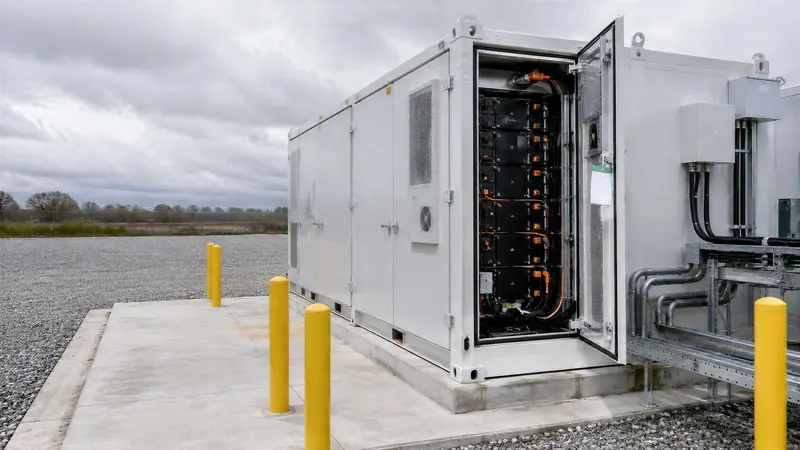
Minimum size for storage to pay for its own engineering, when the case goes that way.
In an initial review, with your bill on screen, we tell you what is worth measuring and what we would expect to find.
What to do first
The heat balance rules. Before talking about engines we measure what heat you use, at what temperature and for how many hours — and that comes from your real operation, not from a data sheet.
If the balance does not support the case, we tell you right there. We would rather lose a cogeneration project than deliver an engine that rarely runs and never pays for itself.
If it does, the proposal includes the thermal and electrical engineering in a single document, with the return calculated on your actual cost of gas and electricity, not on market averages.
The cost of your gas. A cogeneration project lives on the spread between what you pay for gas and what you pay for electricity. If that spread closes, the case falls apart — and that is modeled from the start, not discovered afterward.
When it is not for you
If your boiler runs seasonally or less than 6,000 hours a year, cogeneration is not for you. We tell you at the first meeting.
If your thermal process runs at very high temperature and cannot use heat at 70 to 90 °C or gases at 400 to 500 °C, recovery falls short and the case weakens.
If your real priority is continuity rather than cost, start there: backup and power quality cost a fraction and solve the problem that actually hurts.
How we work
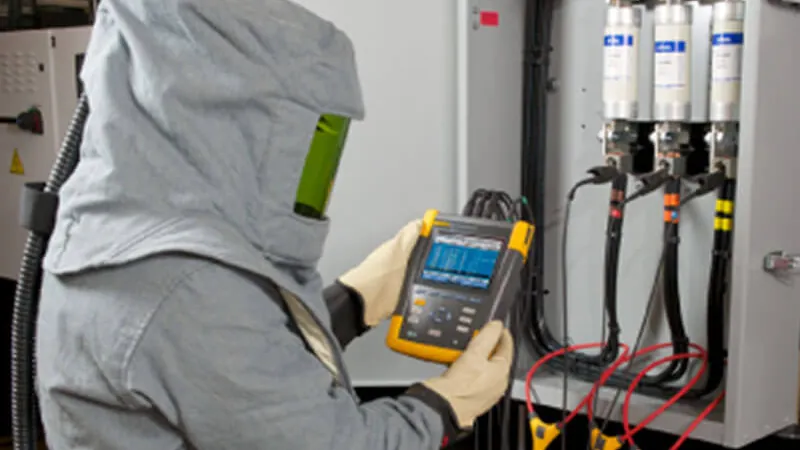
Seven-day campaign with a Class A analyzer.
Engineering based on your real load curve.
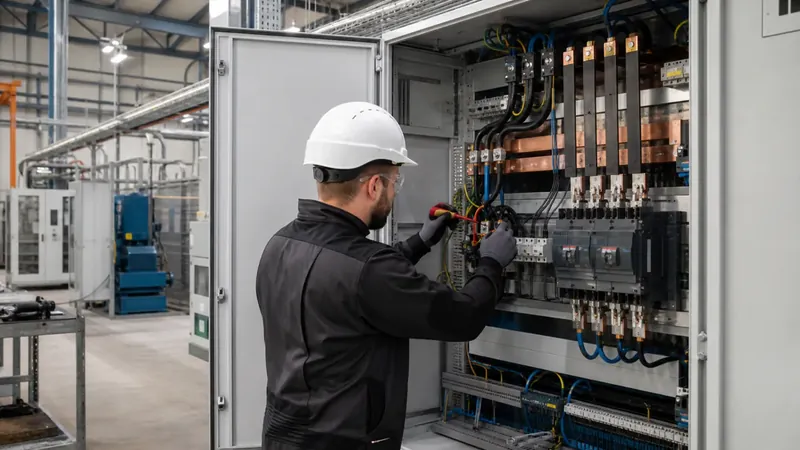
Supply and installation inside your fence line.
GTO Vigía sustains the result after construction.

Energy solutions

In a short meeting we review your bill with you, on screen, and tell you what is worth measuring.
We work with plants on medium and high voltage. By sending you accept our privacy notice.
Strengths
GTO Energy offers electrical engineering tailored to your plant. Request your diagnostic and start by knowing where the opportunity is.
Seven days with a Class A analyzer at your facility, before quoting.
Engineering, supply and installation inside your fence line.
Fully creditable if you implement. No finding, no charge.
Compliance reports based on RES/550/2021, filed with the CNE and CENACE.
GTO Vigía: monitoring, monthly reporting and priority service.
We service plants installed by others, starting with a condition survey.