
Industries
An induction furnace, an injection molding machine and a tannery boiler break different things. These pages explain what fails in each sector and in what order it is best to solve it.
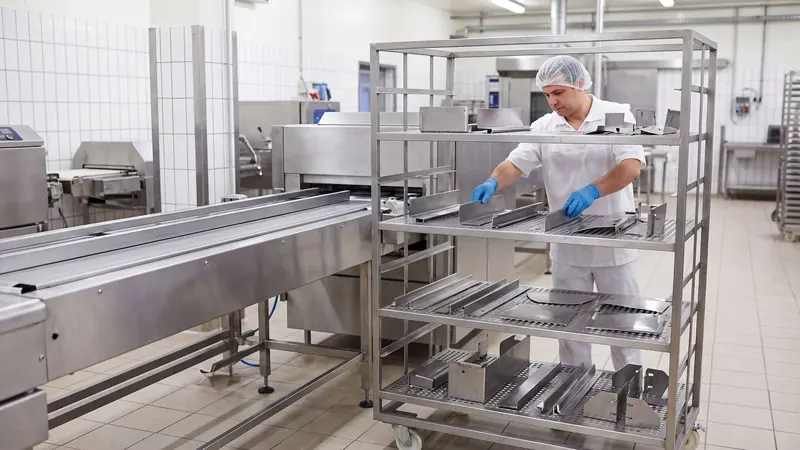
The sectors
Each page covers the load profile, the dominant problem, the signs you can read in your own operation and the order in which it is best to tackle them.
Resistance welding, robots and paint ovens. The peak CFE bills you for lasts less than a welding cycle.
SEE THE SECTOR → 02 · FOODContinuous thermal demand and cold chain. The only sector where cogeneration almost always has a case.
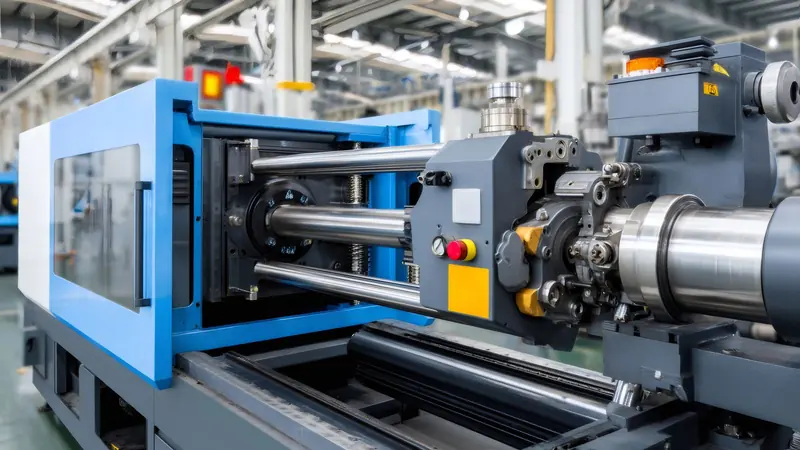
SEE THE SECTOR → 03 · PLASTICSInjection molding and extrusion. High, continuous and electrically dirty consumption: harmonics and resonance.
SEE THE SECTOR → 04 · METALWORKINGInduction furnaces, cranes and an installation that grew piece by piece without drawings.
SEE THE SECTOR → 05 · FOOTWEARLeón, San Francisco and Purísima. Here the right project is almost never the biggest one.
SEE THE SECTOR → 06 · CRITICAL LOADSThe constraint is not the price of energy: it is whether the local grid can give you the capacity.
SEE THE SECTOR →

What applies to all
Whatever your process, the conversation starts the same way: twelve months of billing on the table and a seven-day measurement campaign with a Class A analyzer. From that come your actual load curve, your harmonic profile and your compliance status against the Grid Code (Código de Red).
What changes between sectors is what we expect to find and in what order it is best to solve it. An induction furnace and a cold room do not break the same things, but they are measured the same way.
The entry point. Measurement, Grid Code compliance report and correction. Applies in all six sectors.
Where demand charges exceed 25 % or continuity has a measurable cost.
Solar where the profile justifies it; cogeneration only with continuous thermal demand.
When capacity is short, drawings are missing or the installation no longer matches the load.
If your sector is not on the list, the method does not change. What changes is that we will ask you more questions on the first call.
How we work
Seven-day campaign with a Class A analyzer.
Engineering based on your real load curve.
Supply and installation inside your fence line.
GTO Vigía sustains the result after construction.

Energy solutions

In a short meeting we review your bill with you, on screen, and tell you what is worth measuring.
We work with plants on medium and high voltage. By sending you accept our privacy notice.
Strengths
GTO Energy offers electrical engineering tailored to your plant. Request your diagnostic and start by knowing where the opportunity is.
Seven days with a Class A analyzer at your facility, before quoting.
Engineering, supply and installation inside your fence line.
Fully creditable if you implement. No finding, no charge.
Compliance reports based on RES/550/2021, filed with the CNE and CENACE.
GTO Vigía: monitoring, monthly reporting and priority service.
We service plants installed by others, starting with a condition survey.