

Footwear and tanning
Industries
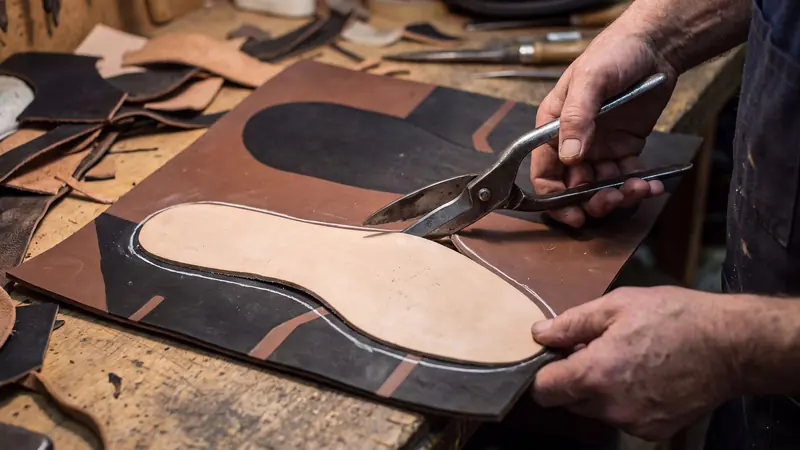
Footwear, leather goods and tanning in León, San Francisco del Rincón and Purísima. Mid-size plants where the right project is almost never the biggest one.
This sector's problem
Many footwear and leather-goods plants in the corridor operate with a contracted demand that does not match what they actually use, and with a power factor below the threshold because of motors running unloaded and poorly managed compressors. Both are paid for every month, and neither requires major construction to correct.
Tanning is a separate case. A tannery with a boiler running continuously has exactly the condition that makes heat recovery viable, and in some cases cogeneration. It is the same condition as in food processing, in an industry that almost nobody has evaluated with that criterion.
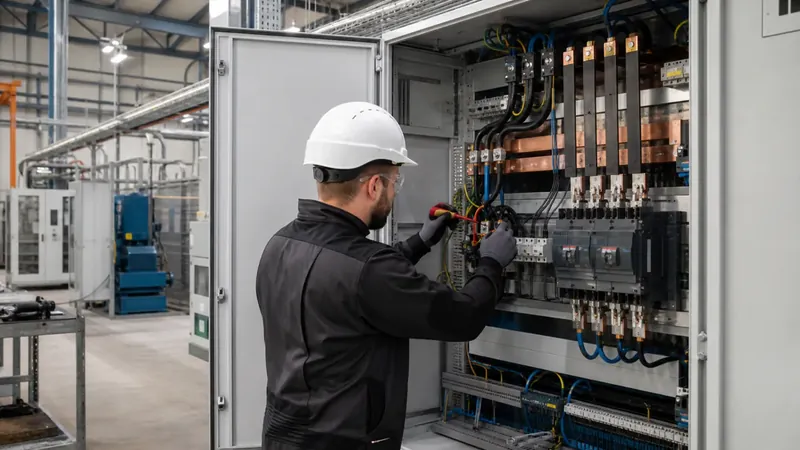
And there is a third thing, specific to this area: many plants grew inside the urban sprawl, with service entrances that no longer match the load they run and with no drawings. That is a risk, not just an administrative nuisance.
Review of tariff and contracted demand. It requires no construction and lowers the bill the following month.
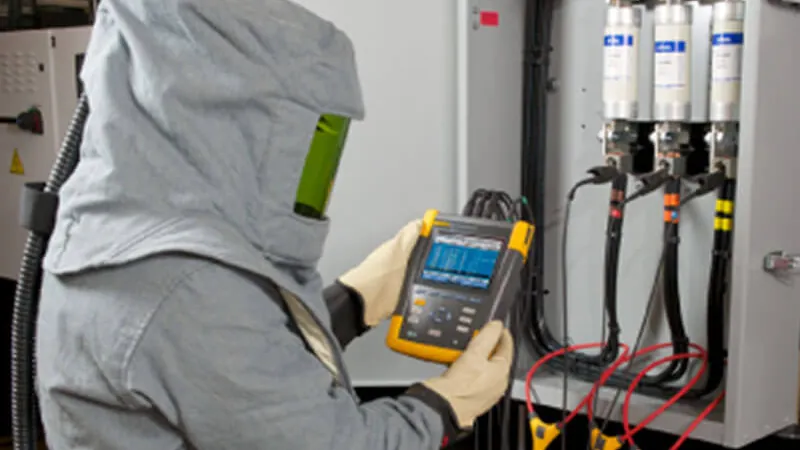
Power factor correction based on measurement, not on the bill's average.
In tanneries, the boiler's heat. If it runs continuously, there is recovery nobody has proposed to you.
Signs it applies
Check the bonus or penalty column. If there is a penalty, you are already paying for something that can be corrected.
You are paying for capacity you do not use. The adjustment is a paperwork process, not a construction job.
Entry condition for heat recovery and, if the hours add up, for cogeneration.
Very common in plants that grew in stages inside the city. It is a risk, not just paperwork.
In an initial review, with your bill on screen, we tell you what is worth measuring and what we would expect to find.
What to do first
In a mid-size footwear plant, adjusting contracted demand and correcting power factor can move the bill faster and with less capital than any generation project.
We tell you this even though it suits us less. We sell less in that first conversation and win the next one, which is the one that really matters.
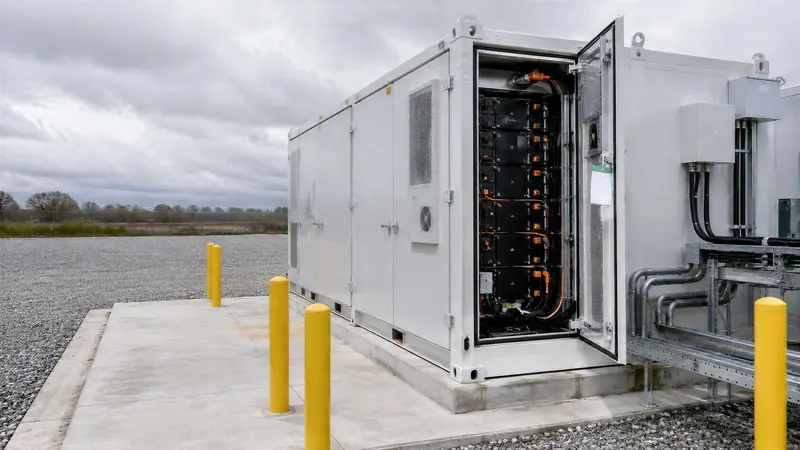
When the case does support generation or heat recovery, it comes later, with the installation already in order and consumption already measured.
We do not charge travel expenses from another city or schedule the visit for when there is a route. We serve León, San Francisco, Purísima and Silao the same day.
When it is not for you
If your plant is on low voltage, with no power factor penalty and modest consumption, you do not need a study. In an initial review we see it with your bills on screen.
If you were offered solar panels with a promised savings percentage without anyone having seen your bill or your operating hours, ask for the calculations before signing.
How we work
Seven-day campaign with a Class A analyzer.
Engineering based on your real load curve.
Supply and installation inside your fence line.
GTO Vigía sustains the result after construction.

Energy solutions

In a short meeting we review your bill with you, on screen, and tell you what is worth measuring.
We work with plants on medium and high voltage. By sending you accept our privacy notice.
Strengths
GTO Energy offers electrical engineering tailored to your plant. Request your diagnostic and start by knowing where the opportunity is.
Seven days with a Class A analyzer at your facility, before quoting.
Engineering, supply and installation inside your fence line.
Fully creditable if you implement. No finding, no charge.
Compliance reports based on RES/550/2021, filed with the CNE and CENACE.
GTO Vigía: monitoring, monthly reporting and priority service.
We service plants installed by others, starting with a condition survey.