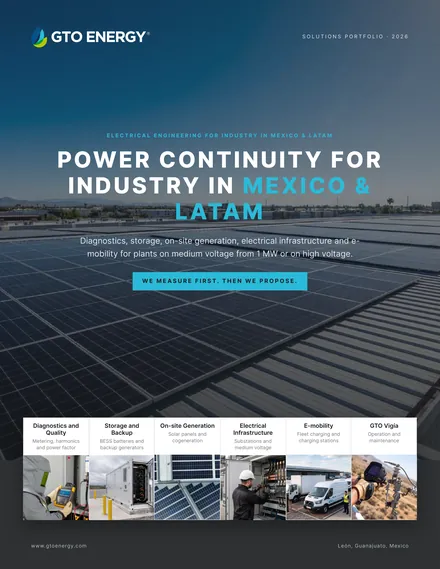
Logistics and industrial parks
Industries
Distribution centers, refrigerated warehouses, leased buildings and industrial parks. Operations with large roofs, daytime consumption and fleets that are starting to go electric.

This sector's problem
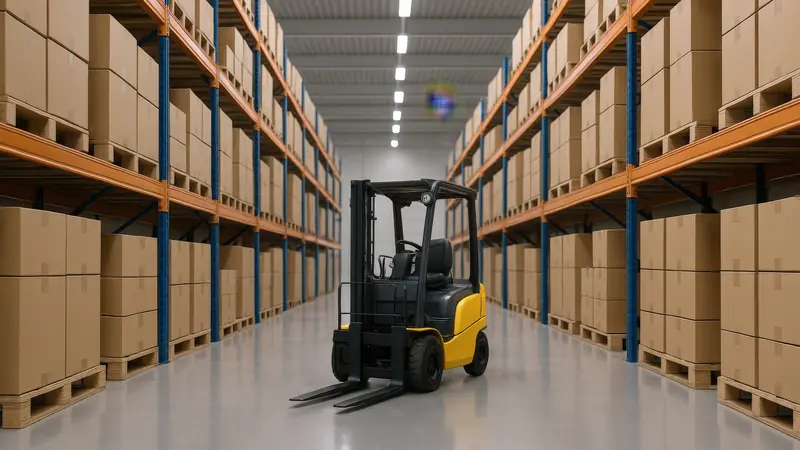
A distribution center was designed for lighting, refrigeration and forklift chargers. When the first electric delivery vehicles arrive, the service entrance and substation that used to have room to spare stop being enough, and an upgrade from CFE does not always arrive in time.
At the same time, the building has a large, unobstructed roof, and most of its consumption is during the day. It is the combination in which solar generation pays off best, as long as the structure can carry it.
Industrial parks add one more layer: who owns the substation, how capacity is split among tenants and who answers for the Grid Code. It pays to have that clear before you grow.
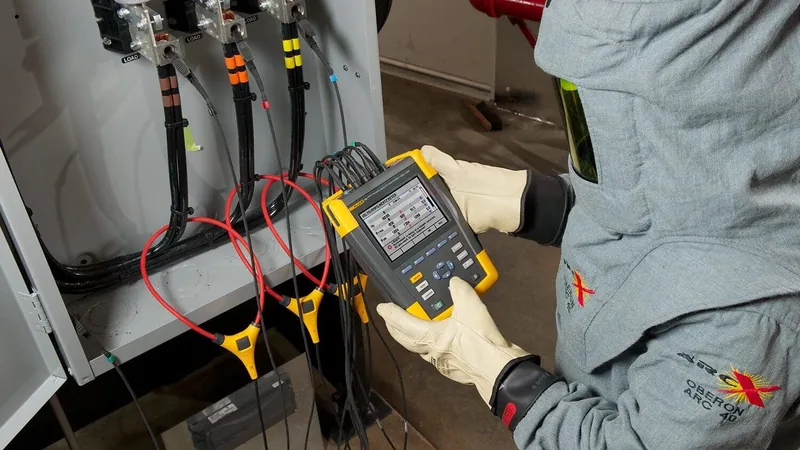
How much is free on the service entrance and the substation, measured, before adding chargers.
Fleet charging schedules and power so as not to set a new peak. We explain it in overnight fleet charging.
A structural and orientation review before sizing the solar system.
Signs it applies
Before buying chargers, we measure how much capacity you have left.
The entry condition for rooftop solar generation.
A continuous load that defines much of the demand. It is reviewed before sizing generation.
You need to know what capacity is yours and who answers to CFE.
In an initial review, with your bill on screen, we tell you what is worth measuring and what we would expect to find.
What to do first
Measurement and capacity first: how much the building uses today and how much margin the service entrance has left.
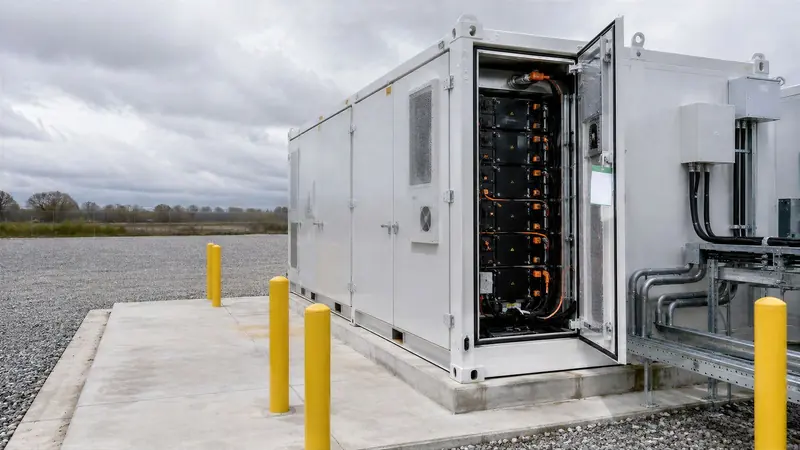
Then fleet charging, scheduled so the chargers do not set a new peak. If capacity is short, storage or a service upgrade is evaluated. We go into detail in E-mobility.
Solar generation afterwards, not at the start: sized on the load curve already measured and on a roof that has been checked.
If the building is leased, the solar system and the chargers are discussed with the owner from the start: who invests, who operates and what happens when the lease ends.
When it is not for you
If your building runs on low voltage, without refrigeration and with no fleet plans, a full study is not justified. We review your bills and tell you so.
If you were offered solar panels without a review of the roof structure or your operating hours, ask for the design calculations before signing.
How we work
Seven-day campaign with a Class A analyzer.
Engineering based on your real load curve.
Supply and installation inside your fence line.
GTO Vigía sustains the result after construction.

Energy solutions

In a short meeting we review your bill with you, on screen, and tell you what is worth measuring.
We work with plants on medium and high voltage. By sending you accept our privacy notice.
Strengths
GTO Energy offers electrical engineering tailored to your plant. Request your diagnostic and start by knowing where the opportunity is.
Fully creditable if you implement. No charge if we find no package that pays back in under 4 years.
Compliance reports based on RES/550/2021, filed with the CNE and CENACE.
We service plants installed by others, starting with a condition survey.
Partners with trademark-use authorization


Group clients since 1983