Agribusiness and greenhouses
Industries
High-tech greenhouses, packing plants, cold storage and technified irrigation. Operations where energy follows the season, not the plant calendar.

This sector's problem
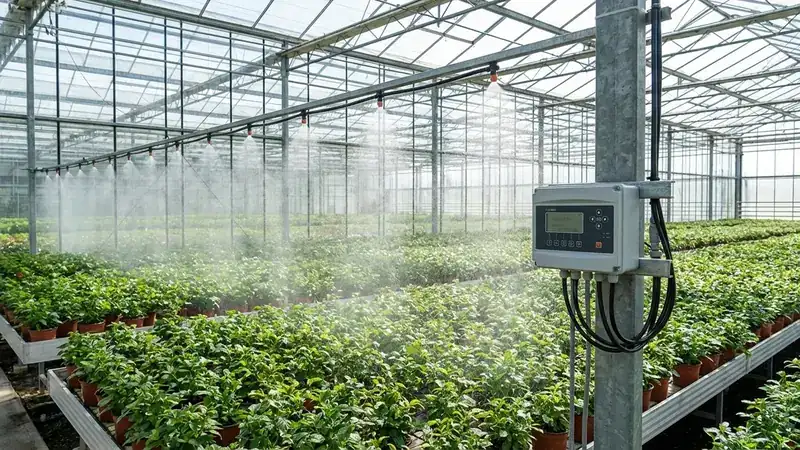
A greenhouse or packing plant does not consume the same in January as in July. Heating on cold nights, ventilation and cooling in the heat, cold rooms full at harvest and nearly empty outside it. If the contracted demand and the tariff were set with a single month in mind, you overpay the rest of the year.
A greenhouse also has something almost no other industry has: it can use the electricity, heat and CO₂ of a gas genset at the same time. It is the case where cogeneration puts almost everything it burns to use. We explain it in greenhouse cogeneration.
And many of these operations are far from town, at the end of long distribution lines. Voltage swings and outages hit pumps, fans and climate controllers just when the crop cannot wait.
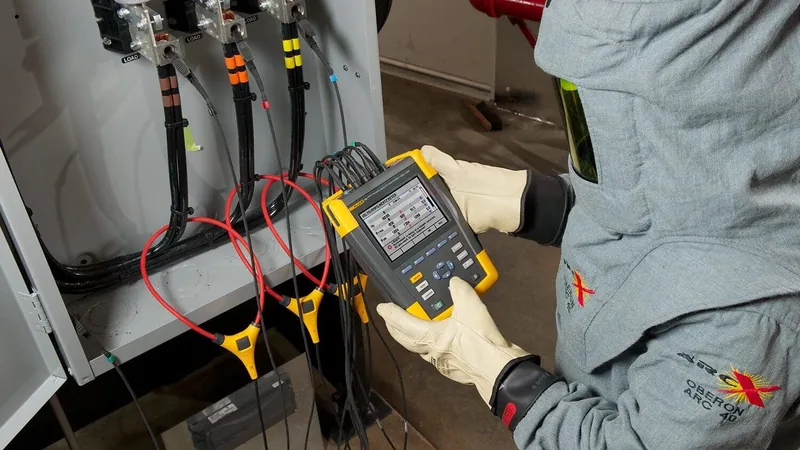
One campaign in the peak season and, if needed, another in the low one. Without that, any adjustment is a guess.
If you heat with gas, cogeneration is evaluated with its three products: electricity, heat and CO₂.
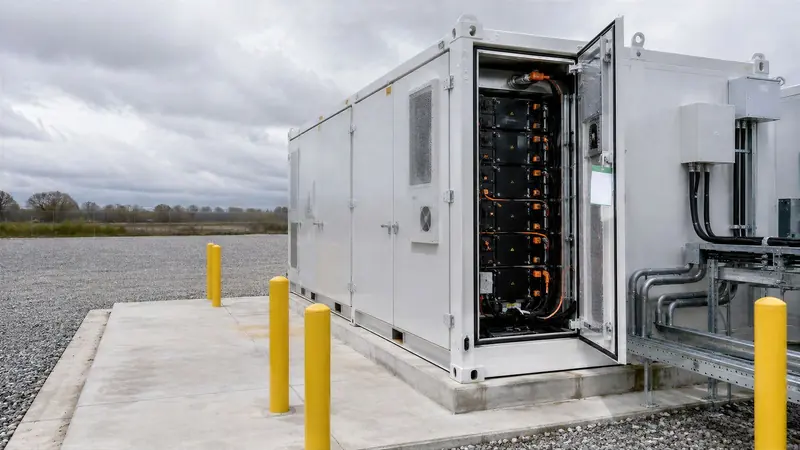
Backup for pumping, climate control and cold rooms, sized for what cannot stop.
Signs it applies
The entry condition for evaluating cogeneration. If you also inject CO₂, the case gets stronger.
A continuous load that sets much of the demand. Its operation is reviewed before thinking about generation.
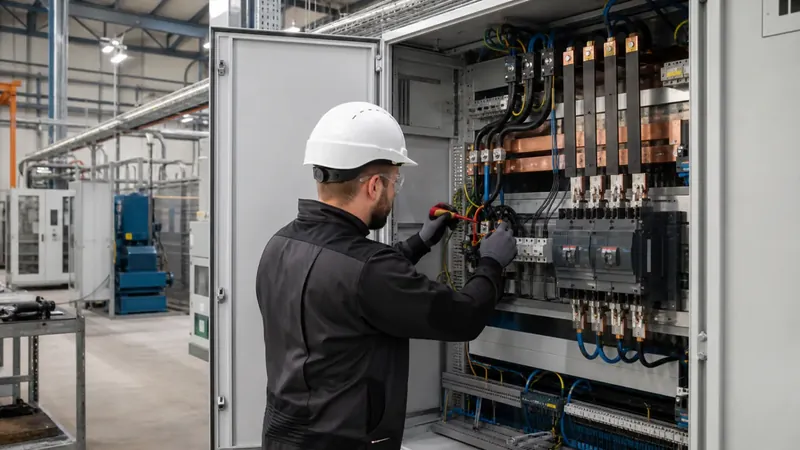
Pumps and fans running without correction. It is fixed without major construction.
If an outage costs you product, backup stops being optional and is sized on that cost.
In an initial review, with your bill on screen, we tell you what is worth measuring and what we would expect to find.
What to do first
Measurement first, in the season that weighs most. With that, the contracted demand is adjusted and the power factor corrected, neither of which requires major construction.
Then the thermal decision: if heat and CO₂ are used for much of the year, cogeneration is evaluated seriously. If not, solar generation on the ground or on the packing buildings is usually the next step.
Backup comes last, sized for the loads that truly cannot stop: pumping, climate control and refrigeration.
We handle the thermal engineering with specialized partner firms. We do not improvise it and we do not pretend to do it alone.
When it is not for you
If your greenhouse uses neither heating nor CO₂, we will not propose cogeneration: without continuous thermal demand it does not pay for itself.
If your operation has a short season and is on low voltage, let us first review the tariff and the contract. Often that is all it takes.
How we work
Seven-day campaign with a Class A analyzer.
Engineering based on your real load curve.
Supply and installation inside your fence line.
GTO Vigía sustains the result after construction.

Energy solutions

In a short meeting we review your bill with you, on screen, and tell you what is worth measuring.
We work with plants on medium and high voltage. By sending you accept our privacy notice.
Strengths
GTO Energy offers electrical engineering tailored to your plant. Request your diagnostic and start by knowing where the opportunity is.
Fully creditable if you implement. No charge if we find no package that pays back in under 4 years.
Compliance reports based on RES/550/2021, filed with the CNE and CENACE.
We service plants installed by others, starting with a condition survey.
Partners with trademark-use authorization


Group clients since 1983