

Medium-Voltage Maintenance
Electrical Infrastructure
Medium-voltage substations, switchgear and service entrances. Scheduled, documented, and with the option to do it without de-energizing the supply when stopping the plant costs more than the work.
Why it matters
A splice that runs hot, an insulator with surface tracking, a breaker whose mechanism no longer operates in the time it should: all of them give measurable signals months before becoming the fault that takes the plant down.
Thermography sees the hot spot, electrical tests see insulation degradation, and the mechanism inspection sees the breaker that will not operate when needed. None of the three is expensive compared with an unplanned shutdown.
And there is an underestimated second-order effect: protection coordination stops matching the installation as the plant grows. In a local fault the nearest device does not trip, everything goes down, and diagnosis becomes guesswork.
Loose splices, high-resistance connections and phase imbalance, before they burn.
Insulation degradation, operating times out of specification, and deteriorated grounding.
Protection coordination, so that a fault takes down one circuit and not the whole plant.
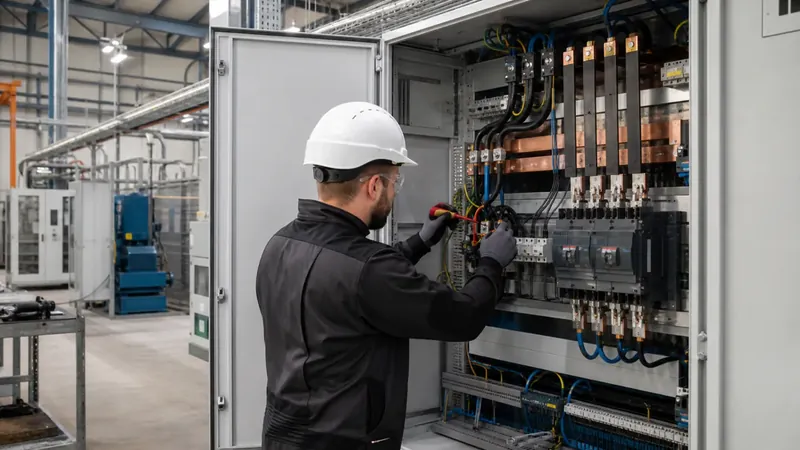
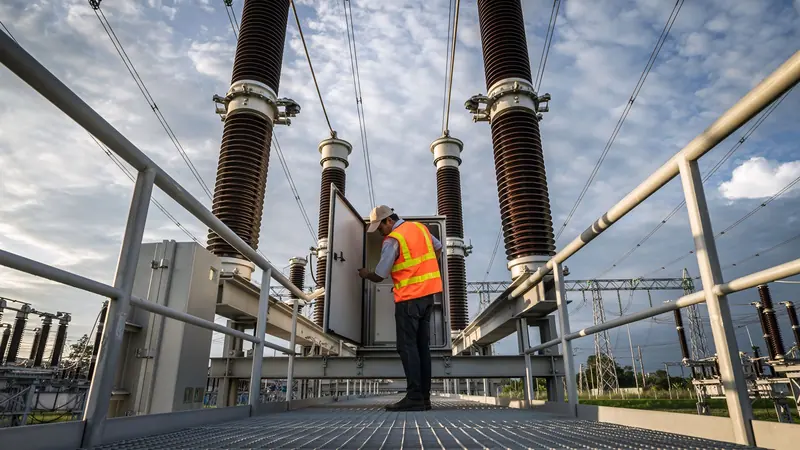
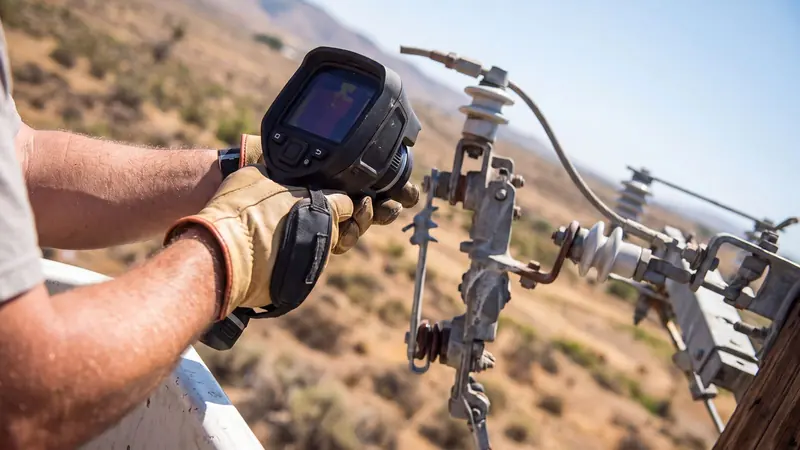
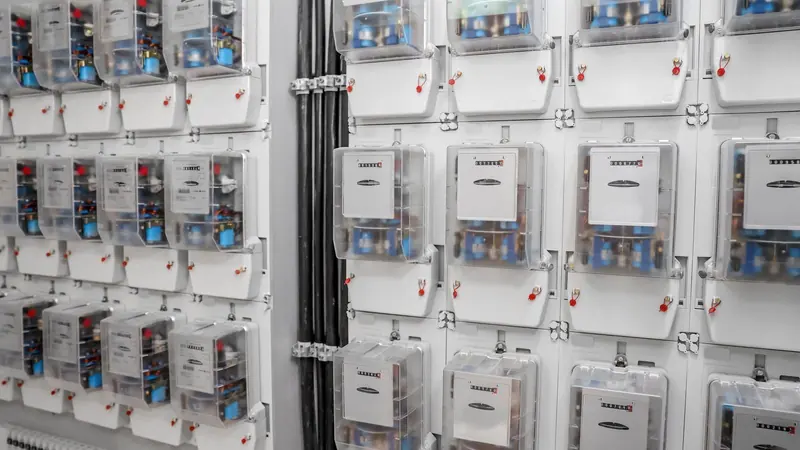
Live work
In many plants medium-voltage maintenance is put off year after year for a simple reason: there is never a good time. The shutdown window does not exist, or costs more than the work, and the equipment keeps aging without anyone checking it.
Live-line work solves that. It is a specific capability with its own procedure, equipment and certified personnel — it is not normal maintenance done in a hurry, and it is not improvised.
Not everything can be done energized, and we tell you up front: some work requires de-energizing the circuit, and forcing it would be irresponsible. What can be done is done, and the part that requires a shutdown is grouped so there is a single window, as short as possible.
Scope survey and classification of what can and cannot be done energized · procedure and risk analysis per activity · the part that requires a shutdown is grouped into a single window · documented test protocol at closeout.
What it includes
Infrared camera inspection under actual load conditions. It is what detects the hot spot before the fault.
Insulation condition, breaker operating times and grounding continuity, with recorded values.
Verification of settings against the actual installation, and recalculation when the plant grew and nobody updated anything.
Update of what is installed and dated test records. Works that leave no drawing are the problem of the next expansion.
The report comes with findings prioritized by risk and with the cost to correct each one. It is not a list of everything that could be done: it is what to do first.
When it is not for you
If your installation is less than two years old, has not grown in load and keeps its commissioning test records, thermography is probably enough. We tell you before quoting the full scope.
If what you need is a single one-off test for a specific requirement, that is shorter and cheaper than an annual program. Tell us and we will quote it that way.
If your process does have a shutdown window available, do not pay for live work. It costs more and adds nothing over well-done conventional maintenance.
How we work
Seven-day campaign with a Class A analyzer.
Engineering based on your real load curve.
Supply and installation inside your fence line.
GTO Vigía sustains the result after construction.
Energy solutions

In a short meeting we review your bill with you, on screen, and tell you what is worth measuring.
We work with plants on medium and high voltage. By sending you accept our privacy notice.
Strengths
GTO Energy offers electrical engineering tailored to your plant. Request your diagnostic and start by knowing where the opportunity is.
Fully creditable if you implement. No charge if we find no package that pays back in under 4 years.
Compliance reports based on RES/550/2021, filed with the CNE and CENACE.
We service plants installed by others, starting with a condition survey.
Partners with trademark-use authorization





Group clients since 1983




















Also: Cuadritos, Productora Nacional de Papel and Telemar.